
There’s a deeply sad issue in the industry that doesn’t seem to be going away, and that’s festival deaths.
Tragic cases have been reported at several UK and European festivals this summer, and it’s clear to see that the worst can happen at festivals big and small for many different reasons.
In recent years more work has been done to learn from the past. In 2000, nine people passed away at the Danish festival Roskilde during a crowd crush. This later helped inform sweeping measures across the industry, such as the introduction of the internationally recognised event intervention procedure Showstop, now practiced at events globally.
The use of alcohol and illicit substances also poses major problems, especially when being consumed in the extreme heat we’ve seen across Europe throughout the summer. In 2023, a report published by the University of Liverpool (UoL) called for the introduction of a “national database of drug-related medical incidents at UK music festivals to evaluate support services, improve safety and reduce the risk of drug related deaths.”
This isn’t to say there aren’t still barriers to progress.
Organisations such as The Loop do important work in advocating for on-site drug testing, but getting that through Parliament is an entirely different task. Moments of crisis can be more difficult to manage in green fields than they are in the streets too.
There’s also a matter of public perception. It’s easy to claim that, as millions of people attend UK festivals each year, that these cases may be a statistical probability. But that takes away from a very real human cost attached to such tragedies, and perhaps dismisses the fact that there are things we can always learn and improve on.
Festival safety is both complicated and challenging, but as these events unfortunately continue to be in the headlines what can festivals do to prepare and provide care when in an emergency? And what are the new risks being seen at UK festivals?
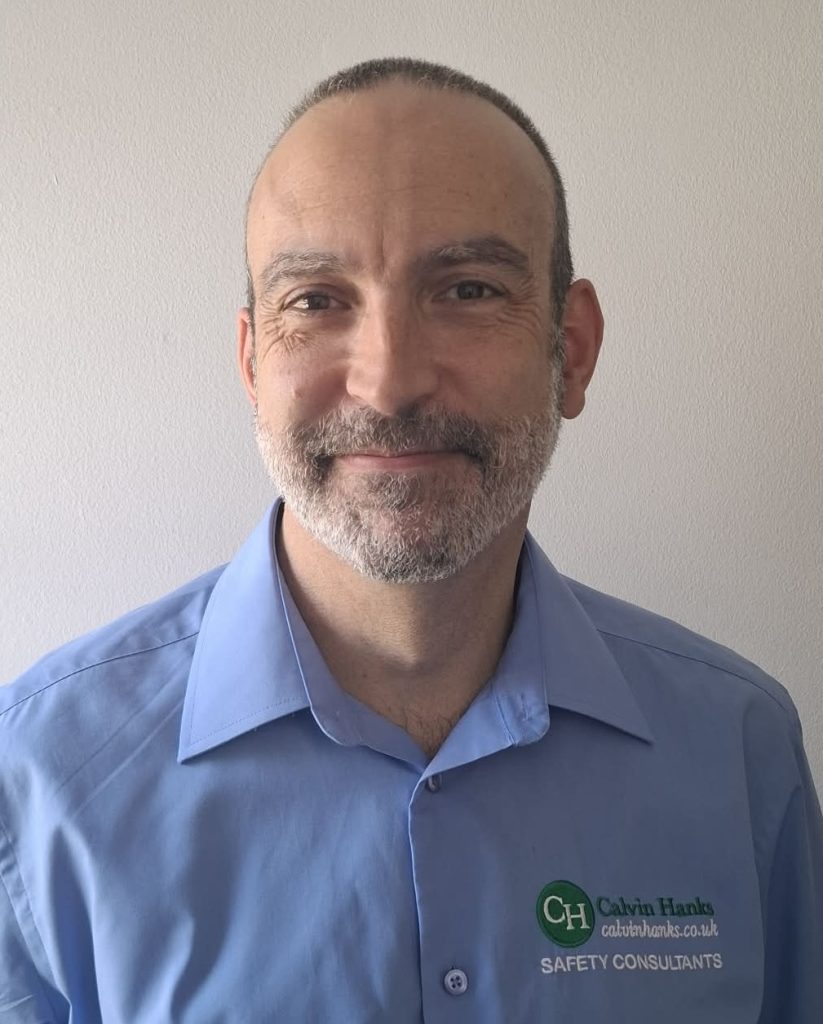
To find out more we speak with Calvin Hanks, founder of Calvin Hanks health and safety consultants. With more than 25 years experience in event safety Calvin has seen it all in mostly every part of the world, and shares his thoughts on what festivals must be doing right now to try prevent tragedy.

In your opinion, what are some of the greatest risks for audiences when it comes to modern UK festivals?
One of the greatest risks, especially to younger festival goers, is the temptation to experiment with illegal substances, perhaps for the first time, without an awareness of the risks.
Is the drug actually what they are told it is, or is it something more harmful? Is it stronger than they think? They may expect the drug to act more quickly than it does so they take a different drug or another dose of the same drug. This can lead to drug interactions or accidental overdosing.
I have seen cases of acute behavioural disturbance (ABD) at festivals, where people become aggressive and agitated, impervious to pain and unexpectedly strong. They can injure themselves too.
In one case, the individual fought the medical team and it took four people to subdue them enough to be able to help. It can also be missed by security teams because they simply see someone becoming violent, and it takes a well-trained medical professional to spot it.
This summer we are also seeing more issues with heatstroke, sunburn and dehydration. Sadly, we also risks caused by the behaviour of some festival-goers, fortunately in the minority, who are there to cause trouble by spiking drinks or harassing or abusing others.
How can festivals protect themselves and others from these risks?
Festival and event organisers need to look at their obligations under the Health and Safety at Work Act section 3 and the Occupier’s Liability Act to protect those attending the event from harm.
This requires you to look at reasonably foreseeable hazards and risk, and put controls and mitigations in place.
I would argue that it is reasonably foreseeable that someone coming to the festival might get drunk, be offered drugs, be overwhelmed by the event, maybe have a mental health crisis or develop heatstroke, so you need to plan for this.
This could be by putting the right security and medical team in place and making sure that they have the right training, providing written and visual messaging for attendees, having freely available welfare facilities, ensuring that there is sufficient shade or even having suncream dispensers accessible for all.
That said, we can tell attendees what they need to do, but we can’t make them do it.
The most critical thing festivals need is an effective medical needs risk analysis carried out by the medical provider. This is a review of the event to decide on provisions needed based on a multitude of factors, including number of attendees, profile of attendees, accessibility and more. Safety is not about thinking ‘I’ve got 2,000 people attending, we need four first aiders.’ It’s far more complex.
Are there new risks you’ve been discovering over the past few festival seasons? What are the causes?
The key new risk is the weather. We have always had hot or wet weather at festivals, but especially this year this has become more extreme.
With sustained temperatures of 25 or 30 degrees, people can’t sit in a festival arena for eight hours. They want to move around and find shade, which creates crowd movements around the site and brings its own challenges.
What are some of the most common mistakes or things overlooked when it comes to individual audience safety? Is it about how festivals react to medical emergencies, use of illicit substances or anything else?
Staff without specific medical training may misunderstand medical conditions. ABD can look like aggression, while dehydration or heat exhaustion may be mistaken for drunkenness. The staff can just respond to what they see as an issue, and deal with the symptoms rather than the cause. These can result in people being ejected from an event rather than getting the medical care they need.
Medical staff may need to be distributed around events at key points where people are likely to gather, rather than all in a central medical centre. This allows them to react quickly to a call, or see what’s happening before it becomes a significant problem.
Is the responsibility of audience safety on the individual, the festival or both?
It’s definitely both.
As an individual, you have a responsibility to protect yourself and follow good advice, but you also have the freedom to make unsafe decisions. And the event organiser has the duty of care to protect the attendees, as far as is reasonably foreseeable and practicable.
In extreme heat it is up to attendees to put on sunscreen, while it’s up to the festival or venue to provide water points. It’s also up to the event to ensure they have a good medical provider who is experienced in working at events.
But at every festival, someone makes up a completely new way to put themselves at risk that you’d never even thought of.
Festivals in themselves have changed dramatically since COVID. How has audience risk changed since COVID?
I believe that people have a greater demand for personal space and more of a dislike of crowds. This is combined with less awareness of their own safety and the things they need to do to protect themselves and greater expectations that others will protect them.
Are there any new measures, whether through government campaigns, charities or local campaigns, that are making decent changes when it comes to crowd safety?
No, not that I have seen.
What would be good to see would be campaigns around personal awareness. It would be great to see it part of the PSHE curriculum in schools, that include how to keep yourself safe at festivals especially in the later school years as pupils are more likely to be planning to attend events for the first time, and may be attending without parents.
The post ‘Safety is not about thinking ‘I’ve got 2,000 people attending, we need four first aiders.’ It’s far more complex’: the need to prevent festival tragedy appeared first on Festival Insights.
