
Wandering through a large tent in the early hours of a Sunday morning in March, I see late-night dancers dressed as bananas are navigating a maze of arcade machines. I spent the day bowling and putting balls in neon-lit crazy gold courses, the night being ushered into strobe-lit night clubs until 4am. On a Saturday morning, I eat my bacon sandwich watching punters careering around go kart courses, which is definitely the only form of driving some revellers should be doing this weekend.
This isn’t some sort of fever dream, but it’s close enough to one. It’s the Bugged Out Big Weekender at Butlin’s, Bognor Regis.
Butlin’s has been a British staple since it first opened the doors of its Skegness home in 1936. It looked a little different back then. Punch and Judy shows have now been replaced by laser quest arenas. You’ll still find long corridors of 2p machines, but people can find respite from the sounds of clattering coins with spa treatments and jacuzzis.
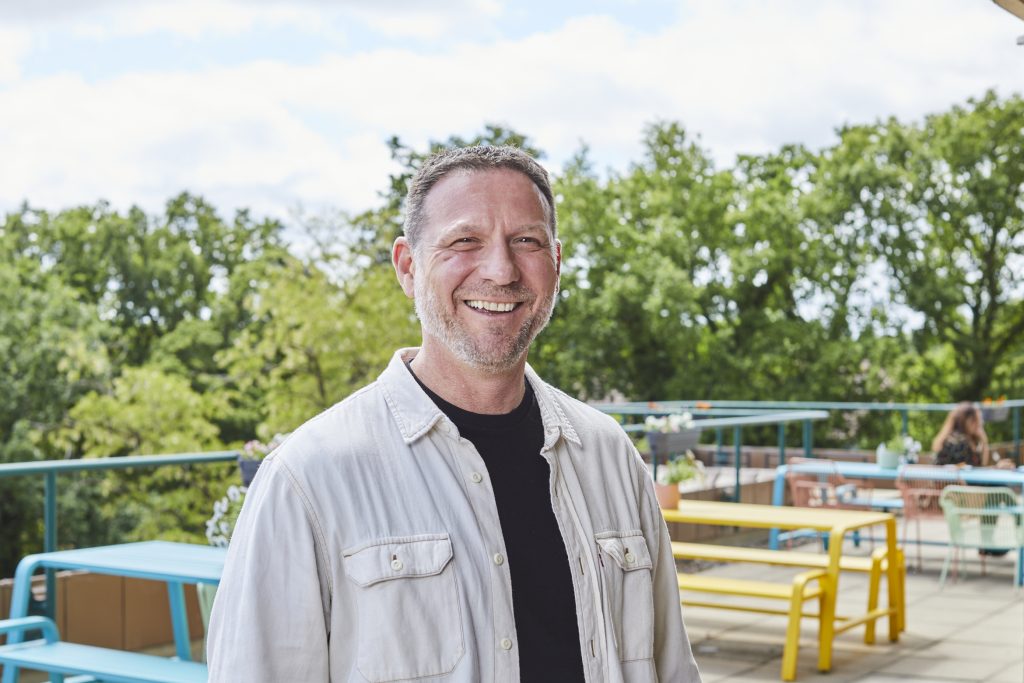
Much of this reinvention of a British institution is down to Mike Godolphin, entertainment director at Butlin’s. Mike has worked at the company for over 26 years. He started during the acid-toned era of the 90s, a decade defined through girlbands, euphoric dance music and Britpop beef. And in a way, he’s now breathing fresh life into the UK’s most famous holiday park through the same hedonistic spirit.
Sure, the holiday resort still caters to excited kids high on sugar and waltzers, but through its Big Weekenders Butlin’s has become a playground for adults too. BANG FACE acts as a yearly pilgrimage for rave heads and brings the likes of Aphex Twin to a seaside retreat. Indie and ska enthusiasts have skanked to Madness and Ocean Colour Scene underneath the big top. These weekenders appeal to a more grown up crowd who want to leave their boring, adult worries at the main gate. “People come and they feel the sense that they’re on holiday. They know they can hang up their responsibilities,” Mike says.

There’s really only one major rule that differentiate a Big Weekender to a typical Butlin’s holiday. It’s for adults only, something that requires a little explaining. “We have to be really clear with our marketing that weekenders are for over eighteens only and is a place where you can drink with friends and dress up,” says Mike. “Definitely no kids allowed.”
This simple rule has helped Butlin’s become one of the biggest festival operators in the UK. Across its three sites the company hosts almost 80 weekend events a year amongst its more typical programming of family-friendly beachfront entertainment taking place during the school holidays. In that, Butlin’s is something of a golden goose in the festival market.
Mike is happy to admit that some of the more strait-laced, arguably pretentious festival-goer may scoff at the idea of a Butlin’s Big Weekender. He also knows he’s limited in what he can do. “We won’t be able to have a Taylor Swift anytime soon, ” laughs Mike. But with its own permanent site Butlin’s can cultivate its own unique vibe, something akin to a walled city thinks mike. “There’s an egalitarian approach to how people behave here which is incredible,” he says.
That freedom is clear to see on the ground. Friends are made on the dancefloor and through fiercely competitive air hockey battles. It’s a place where you can dress how you like. The simple question of ‘back to mine?’ means the party doesn’t need to end, but that you’ll probably have a sore head in the morning (or afternoon, depending when you wake up).
Mike owes much of the success of its weekenders to the company being genuinely intertwined with its audience, whether they’re young metalheads to groups of friends looking to relive their 90s heydays. “We’re constantly evaluating, thinking about what we do next,” says Mike. “We’re always thinking how we can revitalise our portfolio, attract new audiences and diversify what we do. We can host a gospel weekender or a South Asian music festival, and know we have a place to do that.”

Butlin’s also hugely benefits from something that the majority of festivals cannot. Permanent infrastructure.
All stages are based within the famous Butlin’s big top and run all year round. “We don’t have to build our stages, so we don’t have that increasing cost of building a festival site every year,” says Mike. The elements aren’t a factor either as all guests sleep in bricks and mortar accommodation. Yes, you may still get damp travelling the short distance to a main arena, but you won’t return to your tent being flooded.
Butlin’s is also free to trade 365 days a year, a luxury not enjoyed by typical festivals banking on three days of revenue for its yearly income. “This means when we employ someone to our team we can be really certain that they’re going to be able to work for us all year,” says Mike. “We don’t fall into a seasonal trap.”
Finally, and perhaps most importantly, a Butlin’s Big Weekender can offer something that many festivals are striving to do in 2026. And that’s creating an experience.
Experience may be the festival buzzword of this year. Festivals are needing to offer more than just music, an effort to compete with events offering comedy, food cooked by Michelin star chefs, yoga classes, pottery workshops and whatever madcap invention one can host.
Butlin’s, meanwhile, is anything but short of imaginative ways to spend your time beyond the main stages. “People don’t want to sit in a venue all day anymore. They want to be active, especially in the modern era. We can do that here,” says Mike.

There are still challenges that Butlin’s faces, though. Some of these are universal, from rising artist costs and late-night sound restrictions to tightening wallets. Butlin’s also competes with overseas package holidays which offer bang for buck, similar to how UK festivals do with overseas ones. But some challenges are unique.
Whether in Skegness, Bognor Regis or Minehead, all of the Butlin’s sites are in relatively residential areas, places where locals may butt heads with the more excitable festival-goer. “Some people can be a little exuberant, and for a local going about their business that may seem unruly. That’s something we have to manage,” says Mike. Audience numbers also need to be monitored to bring as many people as possible to each festival. “A typical green field festival may not care about group size, they just want to sell tickets,” says Mike. “In our world, every bed is a commercial income.”
Another task comes in the need to changing perceptions. “There will be pockets of people who may think of holiday parks in general as being dramatised by TV shows like Hi-de-Hi! in the 1980s. That memory still sticks with some people,” says Mike. The same is true when it comes to booking artists. “There’s sometimes a bit of a snobbery in music that means we may not always be top of promoters agendas. It’s our job and our challenge to change that perception.”
Butlin’s has been achieving this by hosting the more stereotypically ‘cool’ events like All Tomorrow’s Parties, which during its years of operation welcomed everyone from Portishead to Nick Cave. This year, the big top will also welcome residencies from global acts such as Fatboy Slim. But much of the company’s success comes from its lack of pretentiousness. One weekend will bring electronic avantgardists to Bognor Regis and a celebration of 90s pop the next. “We’ve been able to refine what we do,” says Mike, something that can be enjoyed at a site with 90 years of history and strong financials. But that doesn’t mean the British holiday resort isn’t still evolving, says Mike. “We continue to create, so we never sit on our laurels.”
The post ‘People come and know they can hang up their responsibilities’: how Butlin’s is reimagining the British festival appeared first on Festival Insights.
